Source Double Layer Oxford Camping Tent for Camping, Events, Relief
Compare 30 double layer oxford camping tent options featuring waterproof fabrics, varied sizes, and customizable structures. Buyers can evaluate specifications like pole materials, weight, and seasonal suitability for outdoor camping, parties, and relief operations; compare the available evidence and request quotations based on your requirements.
Key considerations
Products List


Comprehensive Sourcing Guide
Double Layer Oxford Camping Tent Sourcing Guide
Procuring double layer Oxford camping tents requires a disciplined approach to material verification and structural integrity assessment. Buyers must prioritize tents that utilize high-denier Oxford cloth for the base, as this material offers superior durability against abrasion and punctures compared to standard polyester options. The double-layer construction is critical for managing condensation and enhancing thermal regulation, ensuring that the inner breathable layer does not touch the outer waterproof shell. This separation allows moisture to evaporate rather than accumulate, which is vital for maintaining comfort during extended outdoor stays. Sourcing teams should verify that the fabric weight and coating are consistent across all panels to prevent weak points in the weatherproofing system.
Commercial negotiations for these units often involve complex customization options and variable minimum order quantities. Suppliers may offer tailored branding, color variations, or specific structural modifications to meet distinct market demands. It is essential to clarify whether the quoted price includes all necessary accessories, such as stakes, guy lines, and carry bags, as these components significantly impact the total landed cost. Buyers should also assess the packaging efficiency, as bulky packing sizes can inflate shipping expenses. Understanding the supplier’s flexibility in handling small trial orders versus large bulk shipments will help in balancing inventory risk with economies of scale.
Product Scope and Observed Listing Signals
The current market landscape for double layer tents reveals a diverse range of configurations, from compact two-person models to expansive multi-room structures. Listings frequently highlight features such as windproof and rainproof capabilities, with waterproof indices often ranging between 2000mm and 3000mm. These metrics indicate a robust defense against moderate to heavy rainfall, a key selling point for four-season or summer camping applications. Buyers should note that while many products claim versatility, the actual performance depends heavily on the quality of seam sealing and the integrity of the pole joints. Observing the listed dimensions and weight helps in estimating the logistical footprint and the ease of transport for end-users.
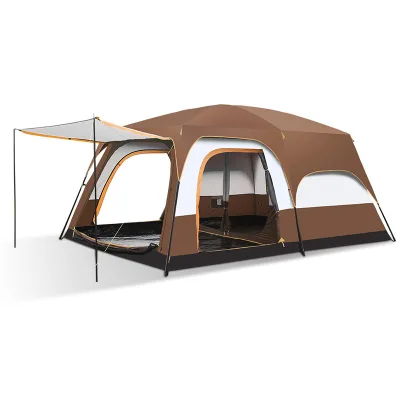
Specific product attributes observed in listings include the use of iron or aluminum alloy frames, which dictate the tent’s stability and portability. Some models feature a tube type stake design, while others utilize a ridge or square centre-pole top style, each offering different internal headroom and wind resistance profiles. The color options, such as coffee brown or green, often serve to blend the tent into natural environments, reducing visual impact. Additionally, the presence of mesh yarn in the fabric layers suggests a focus on ventilation, which is crucial for preventing overheating in warmer climates. These signals help buyers narrow down options based on their specific environmental requirements and user preferences.
Technical Specifications to Verify
Verifying the technical specifications of a double layer Oxford tent is paramount to ensuring long-term reliability and user satisfaction. Buyers must confirm the exact material composition, distinguishing between 210T polyester and higher-grade Oxford cloth, as the latter generally provides better tear resistance. The pole material is another critical factor; flexible fiberglass poles offer cost-effective flexibility, while aluminum alloys provide superior strength-to-weight ratios and durability. It is essential to inspect the joint mechanisms and connector quality, as these are common failure points under high wind loads. Additionally, the waterproof index should be validated through independent testing or certified supplier documentation to ensure it meets the claimed 2000-3000mm standard.
Structural design elements such as the number of bedrooms, living spaces, and door configurations significantly impact the tent’s utility. A double-skin structure with a separate rainfly is standard for effective condensation management, but the fit and overlap of these layers must be precise. Buyers should also verify the packing size and gross weight, as these factors influence shipping costs and user convenience. The presence of additional features like ventilation windows, gear lofts, and interior pockets adds value but must not compromise the structural integrity. Ensuring that all technical claims are backed by detailed product datasheets will mitigate the risk of receiving substandard goods.
Compliance and Safety Documentation
Compliance with international safety and environmental standards is a non-negotiable aspect of sourcing camping equipment. Buyers should request documentation that verifies the absence of harmful chemicals, such as lead, phthalates, or perfluorinated compounds, in the fabric coatings and dyes. These substances can pose health risks to users, especially in enclosed spaces like tents. Certifications from recognized testing laboratories provide assurance that the materials meet strict regulatory requirements for consumer goods. It is also important to check for compliance with fire retardancy standards, which can prevent rapid flame spread in case of accidental ignition from camping stoves or heaters.
Documentation should also cover the structural safety of the tent, including wind load resistance and stability tests. Suppliers may provide test reports that demonstrate the tent’s ability to withstand specific wind speeds without collapsing. Buyers should ensure that all stakes, guy lines, and anchoring systems are made from materials that do not degrade quickly under UV exposure. Additionally, clear labeling and instruction manuals in the target market’s language are essential for proper setup and usage, reducing the risk of user error. Verifying that the supplier maintains a robust quality management system ensures consistent adherence to these safety and compliance benchmarks.
Cost Drivers and Commercial Terms
The cost of double layer Oxford camping tents is influenced by several key factors, including material quality, structural complexity, and customization requirements. Higher denier Oxford cloth and aluminum poles increase the base cost but offer better durability and performance. Customization options, such as branded logos, specific colors, or unique structural modifications, add to the production expenses. Buyers should also consider the minimum order quantity (MOQ) requirements, as lower MOQs often come with higher per-unit prices. Understanding these cost drivers allows for more accurate budgeting and negotiation strategies when engaging with suppliers.
Commercial terms, including payment methods, lead times, and shipping arrangements, play a significant role in the overall procurement cost. Buyers should negotiate clear terms for sample approval, production timelines, and quality inspection processes. Freight costs can vary significantly based on the packing size and weight, so optimizing packaging efficiency is crucial. Additionally, buyers should be aware of potential tariffs and import duties in their destination market, which can impact the final landed cost. Establishing a strong relationship with the supplier can lead to better pricing and more favorable terms, especially for repeat orders. Clear communication of expectations and requirements helps in avoiding hidden costs and delays.
Supplier Qualification and Quality Control
Selecting a reliable supplier for double layer Oxford camping tents requires thorough due diligence and verification of their capabilities. Buyers should assess the supplier’s production capacity, quality control processes, and track record in the outdoor gear industry. Requesting references from previous clients and reviewing their product portfolios can provide insights into their consistency and reliability. It is also important to verify their certifications and compliance with international standards, as these indicate a commitment to quality and safety. Suppliers with in-house testing facilities are preferable, as they can quickly identify and rectify production issues.
Implementing a robust quality control plan is essential to ensure that the received goods meet the specified standards. Buyers should conduct pre-shipment inspections to verify material quality, stitching integrity, and overall construction. Checking for defects such as uneven seams, loose threads, or damaged zippers can prevent costly returns and customer complaints. Additionally, buyers should establish clear acceptance criteria and rejection protocols in their contracts. Regular communication with the supplier during the production process helps in addressing any emerging issues promptly. A proactive approach to quality control ensures that the final product meets the buyer’s expectations and maintains brand reputation.
Long-Term Procurement Checks
Long-term procurement success depends on continuous monitoring of supplier performance and market trends. Buyers should regularly review supplier metrics, such as on-time delivery rates, defect rates, and responsiveness to issues. Establishing key performance indicators (KPIs) helps in objectively evaluating supplier contributions to the supply chain. Additionally, staying informed about advancements in tent materials and designs allows buyers to stay competitive and meet evolving customer demands. Regularly updating product specifications and requirements ensures that the sourced tents remain relevant and high-quality. Building a diversified supplier base can also mitigate risks associated with single-source dependencies.
Feedback loops with end-users and internal stakeholders are crucial for identifying areas for improvement. Collecting data on product performance in real-world conditions can highlight potential design flaws or material weaknesses. Buyers should use this feedback to refine their specifications and negotiate improvements with suppliers. Regular audits of the supplier’s quality management system ensure ongoing compliance and operational efficiency. Furthermore, fostering a collaborative relationship with suppliers encourages innovation and continuous improvement. By maintaining a strategic focus on quality and performance, buyers can secure a reliable supply of high-quality double layer Oxford camping tents.
FAQs
What is the waterproof index of this double layer oxford camping tent?
The waterproof index ranges from 2000 to 3000 mm, ensuring reliable protection against rain. This specification applies to the outer tent fabric, which is typically made from 210T polyester or 210d Oxford cloth. The double-layer construction further enhances weather resistance by preventing condensation buildup inside the shelter during wet conditions.
Can this tent be customized for specific branding needs?
Yes, customization is available for this camping tent model. Buyers can request specific modifications to meet unique requirements, such as altering colors or adding logos. The product supports custom orders, allowing businesses to tailor the tent for promotional events or specialized outdoor use while maintaining its core structural integrity and weatherproof features.
Which materials are used for the frame and poles?
The frame material is specified as iron, providing a sturdy base structure. The poles utilize flexible materials, including aluminum alloys or fibreglass, to ensure durability and ease of setup. These material choices balance strength with portability, making the tent suitable for various outdoor environments while withstanding wind and rain effectively during camping trips.
How many people can this double layer oxford camping tent accommodate?
The tent is available in multiple sizes to accommodate different group capacities. Options range from small models for 2-6 people to large versions for 8-12 people. Specific configurations include structures with two bedrooms and one living room, ensuring ample space for families or groups seeking comfortable and spacious shelter during extended outdoor camping adventures.
What is the typical packing size for shipping this tent?
The packing size varies by model but generally measures around 67x29x29 cm or 70x32x32 cm. The tent is packed in cartons for safe transport. This compact packaging facilitates easy storage and shipping, allowing buyers to efficiently manage logistics while ensuring the tent arrives in pristine condition, ready for immediate setup at the destination site.
What is the minimum order quantity for this camping tent?
The minimum order quantity is one piece, offering flexibility for small buyers. This low MOQ allows customers to test the product quality before committing to larger orders. It supports both individual purchasers and small businesses looking to source high-quality double layer oxford camping tents without the pressure of bulk purchasing requirements or excessive inventory costs.